
Kaohsiung International Airport G31 Fishing Memories Waiting Lounge Makes Its Debut Memory of the Kuroshio Current
2025.12.15
Encountering the Resilience and Wisdom of Taiwan's Fishing and Maritime Culture
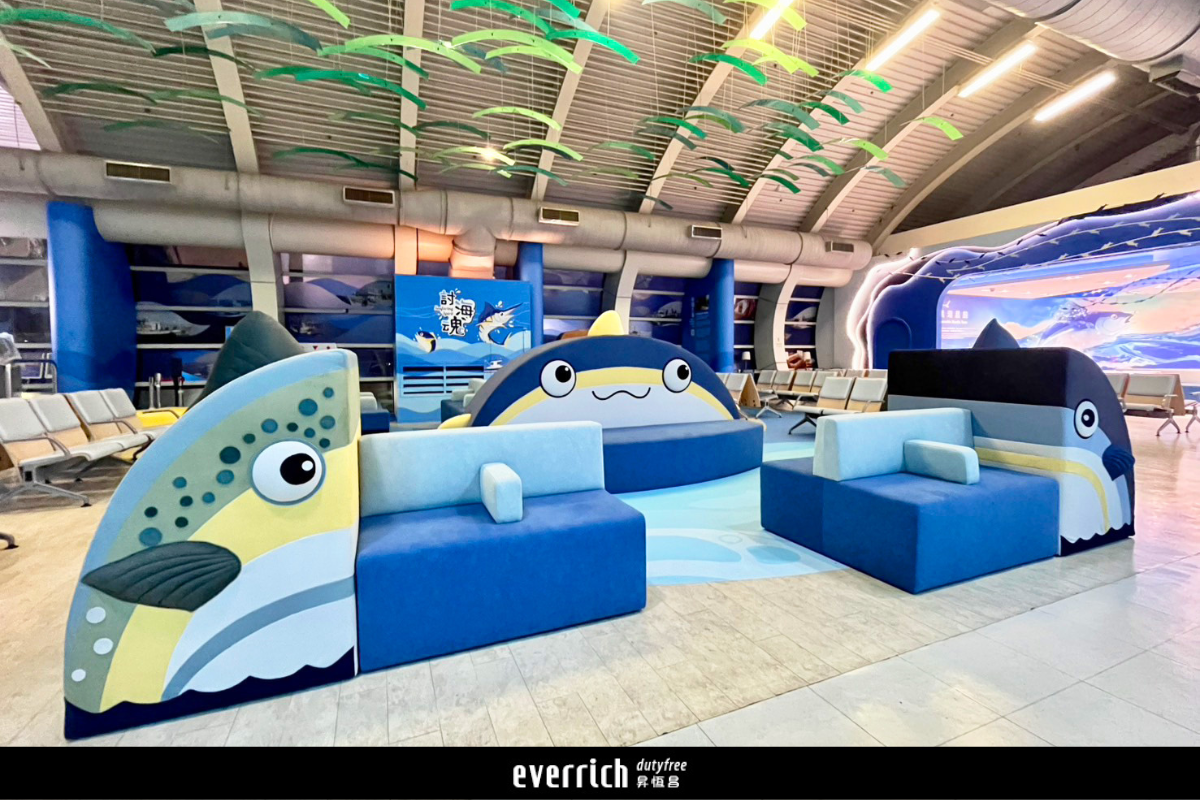
The maritime culture of southern Taiwan has a long history that is closely connected to the Kuroshio Current. This warm current brings migratory fish in abundance, shaping the thriving fishing traditions of the region.
The space draws inspiration from the Kuroshio. Its design elements featuring migratory fish and flowing light ripples evoke not only the movement of the sea, but also the everyday life of southern fishermen. Guided by courage and wisdom, they face the waves with remarkable resilience, and this strength forms their most enduring memories.
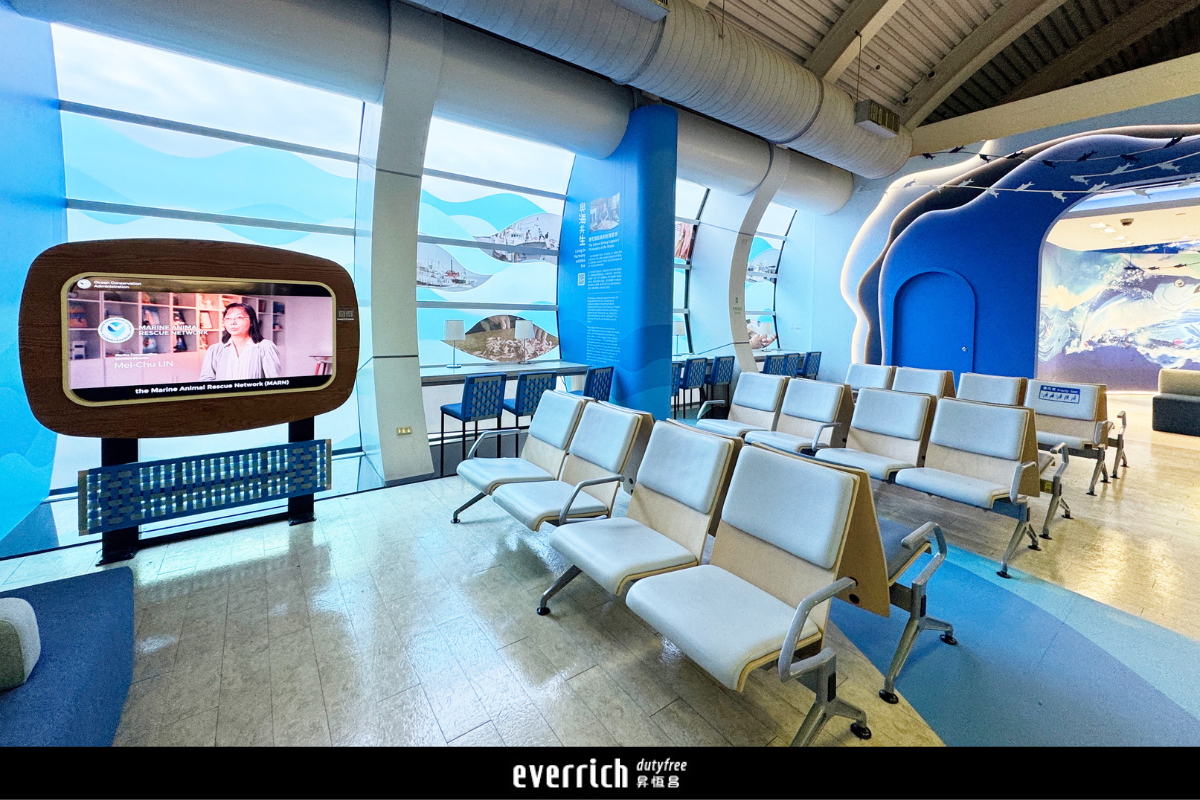
These memories are also reflected in the “fishline artworks” within the space. This distinctive craft, a creation of wisdom woven through the elasticity and durability of fishing lines, is made by retired captains who interlace each strand with skill and experience. The strength of the lines and the precision of the technique echo the courage and ingenuity of those who make their living at sea, a testament to their spirit in the face of crashing waves. This craftsmanship stands as the most vivid imprint of “Fishing Memories.”
Supervisor: Kaohsiung International Airport
Partner Organization: CTCA Taiwan Fish Forest
Daily Life with the Sea: Understanding an Old Friend’s Temperament
“Caught Anything?” - The Sakura Shrimp Captain’s Greeting at Sea
Craftsman - Chin-jui Hung, Sakura Shrimp Captain
For decades, a seasoned captain has lived a life inseparable from the sea, embodying the profound symbiotic relationship between humanity and the ocean. Each morning, he heads to the harbor to observe the tides and clouds, a practice he calls “reading the sea,” and build a silent understanding with his “old friend.” It is a daily ritual of humility and reverence toward nature.
From a young fisherman to a sakura shrimp captain, he has spent countless nights and dawns at sea, relying on experience and wisdom to ensure safety on every voyage. To him, fishing is more than a livelihood—it is a commitment to sustainable practices; a way to honor the belief that “the sea provides our living, and we must care for it in return.” This sense of responsibility and the rhythm of this lifestyle, forged through years of dedication, represents a precious chapter in modern maritime culture. This is an ode to the sea and a declaration of coexistence.

(Sakura Shrimp Captain)
Before dawn breaks, he is already standing at the harbor. With the sea breeze on his face, he looks up to read the sky, watching the tides and the movement of the clouds. It is a habit that has been formed over many years—walking to the harbor each day and reading the sea before deciding whether to set out. To him, the sea is not only a workplace but an old friend whose temper he must understand and whose rhythm he must follow to return home safely.
From Youth to Captain, a Life of Seamanship and Livelihood

( The Sakura Shrimp boat goes out to sea.)
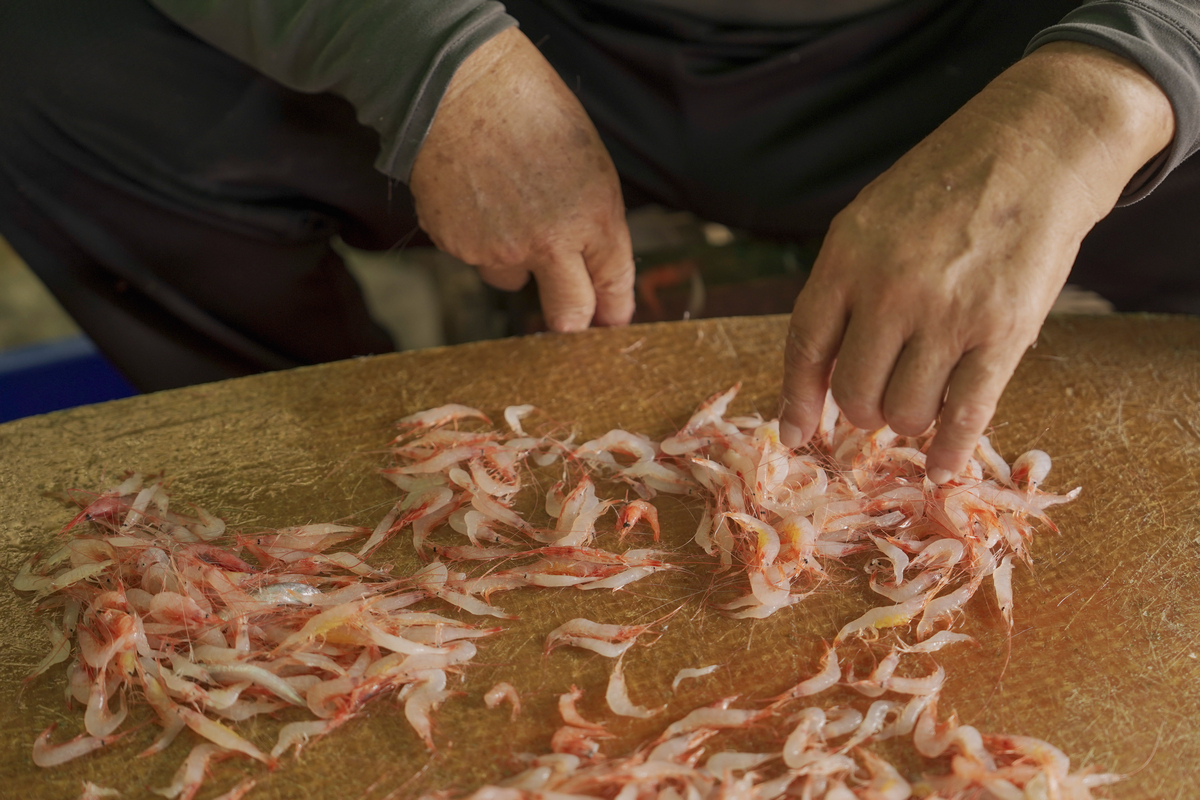
( The process of sorting and preparing Sakura Shrimp)
After graduating from junior high school, he began working at sea, growing from a young deckhand to the captain of a sakura shrimp vessel. There is little romance in this profession, only years of long nights on the water.
Sakura shrimp season runs from winter to spring. During that time, heading out at midnight and returning the next day becomes routine. In the cold wind, he and his crew work while monitoring the sea conditions. The sakura shrimp they bring aboard shimmer with a soft pink glow, gentle and delightful.
Speaking of sakura shrimp, the fishing grounds stretch from the mouth of the Kaoping River to Fangshan. Because the fishing zones overlap, he laughs and says, “Our fishing boats often line up neatly on the sea, like queuing to enter.” Boats communicate by radio, often asking one another “Caught anything?” to exchange information and check in.
Years of experience have taught him that skill determines livelihood. He often adjusts equipment himself, studying how to make operations more stable and safe. “Sometimes there’s no budget to upgrade gear, so you have to DIY,” he says with a smile.
Responsibility to the Sea: A Lifelong Commitment
Beyond refining his skills, he helped establish the sakura shrimp production and marketing group, working with closed seasons and quota controls to promote sustainable fishing so that this sea can be protected for the long term. Outside sakura shrimp season, they turn to catching other species such as red-tail scad, medium shrimp, and mantis shrimp, each requiring different nets, depths, and fishing grounds—all determined by experience and currents.
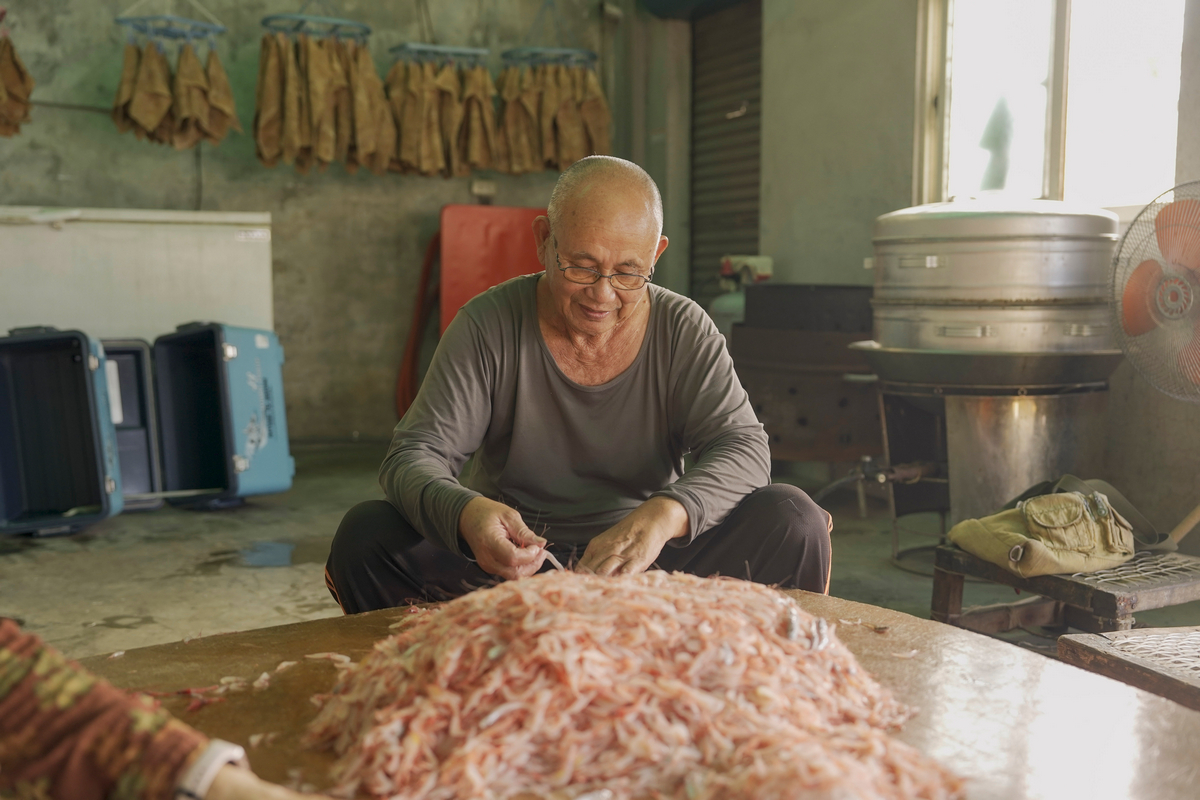
( The daily work of a Sakura Shrimp Captain)
Every time he returns to port, he brings back the trash he finds at sea: plastic bottles, floats, ropes, things he calls “objects that do not belong to the sea.”
“The sea provides our living, so we must take responsibility for it,” he says simply, yet sincerely.
Through decades of seafaring, from youth to seasoned captain, he has never left this sea.
For him now, fishing is no longer just a livelihood but a rhythm of life lived in coexistence with the ocean.
From Sea to Shore: The Captain’s Second Voyage
From Sea to Shore: The Captain’s Second Voyage
Craftsman - Shui-kuo Wu, Retired Captain and Fishline Chair Instructor
Tracing the perilous, near-death seafaring journey of 80-year-old Captain Shui-kuo Wu, this story reveals a generation’s courage and endurance in facing the sea.
From his first experience on deck at fifteen to becoming a seasoned captain responsible for his crew’s lives and livelihoods on distant voyages, his career has been filled with trials—typhoons, shipwrecks, and even sacrificing recovery time after injuries just to survive. His words, “If I could live my life again, I wouldn’t go back to the sea,” express both resilience and the harsh reality of a fisherman’s life.
Today, he transforms the fishing lines once used at sea into woven “fishline chairs” on land, thus continuing his dialogue with the ocean through patience, craftsmanship, and memory. This has become his life’s second voyage.
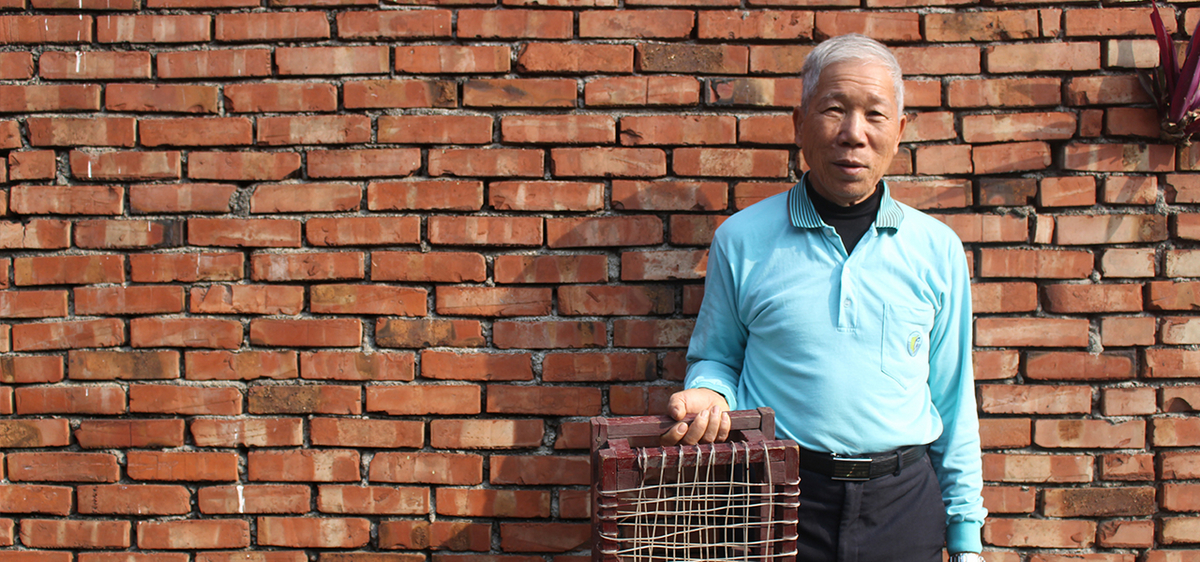
(Shui-kuo Wu and his trusty fishing line chair of many years.)
First Encounters with Life at Sea
He is now eighty, and most of his life has been tied to the sea.
At fifteen, he followed his brother-in-law onto a boat for the first time. He wasn’t there to fish but to cook. He could barely lift a pot, yet had to tend the stove on a swaying deck, cooking with charcoal. One strong wave and the stove toppled, the rice had to be washed again, the fire relit.
Learning to live at sea is the first lesson for anyone who makes a living from it.
The Weight of Responsibility: A Captain’s Duties and Risks
He laughs and says it took several years to go from cooking to joining the fishing line. Military service, offshore trips, distant waters, each boat carried its own dream. From Kaohsiung to Singapore, Malaysia, Indonesia, and even small islands in the South Pacific, one voyage could last a year and a half. Earning NTD22,000 in half a year back then was enough to buy land—the most tangible hope of that generation.

( The fishing boat goes out to sea to fish.)
He served as deckhand, engineer, then captain, learning to read the waves to find fish and eventually to command an entire crew. From wooden boats to fiberglass vessels, the evolution of fishing gear is etched into his hands. As captain, the pay was higher but so was the weight of responsibility; typhoons, undercurrents, debts, crew disputes—everything had to be shouldered.
Once, his boat was struck and split by a cargo ship. Another time, he was pulled into the air by an anchor rope and slammed back into the sea. On yet another occasion, a steel wire snapped and severed one of his fingers. The doctor said it could be reattached but required a month of rest.
He shook his head and said, “Rest too long and there’s no money to earn.” It was both steadfastness and the harshness of life.
“I’ve escaped death nine times,” he says, with a calmness as if discussing the weather.
After a moment, he adds, “If I could live life again, I wouldn’t go back to the sea.”
Then he chuckles, “But what can you do, back then if people here didn’t fish, they didn’t eat.” The words fall gently, yet leave a ripple in the heart.
The Captain’s Second Voyage
He no longer goes to sea.
He now uses the knot-tying skills he learned on fishing lines back on shore as an instructor of fishline chair weaving. The patience and precision he learned at sea continue, circle by circle, strand by strand.
Even now, he weaves a life that remains connected to the ocean.
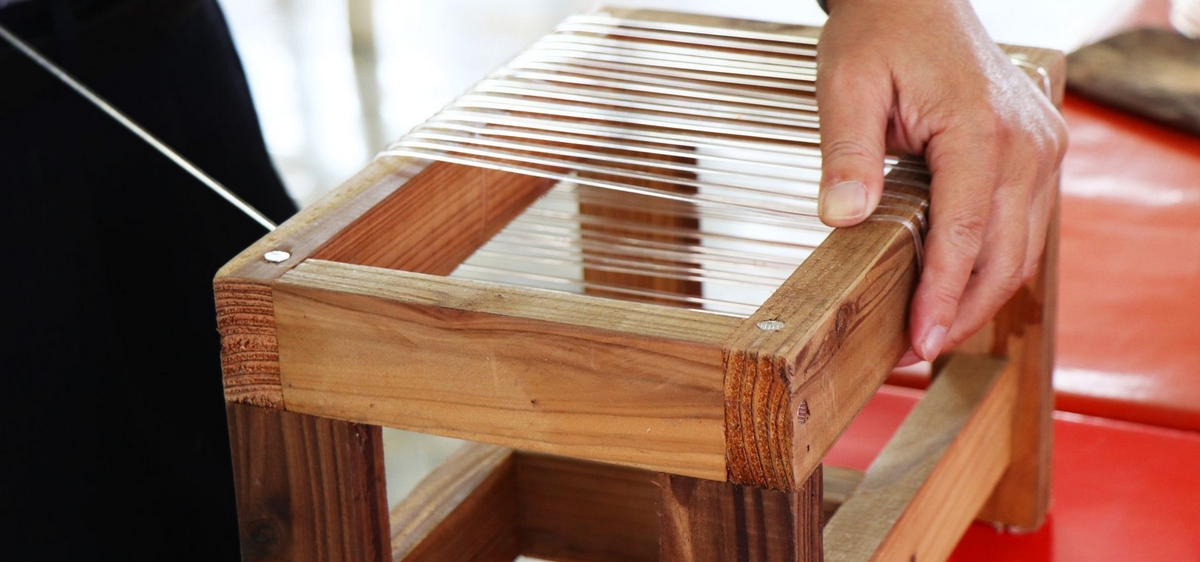
(The process of weaving a fishing line chair)
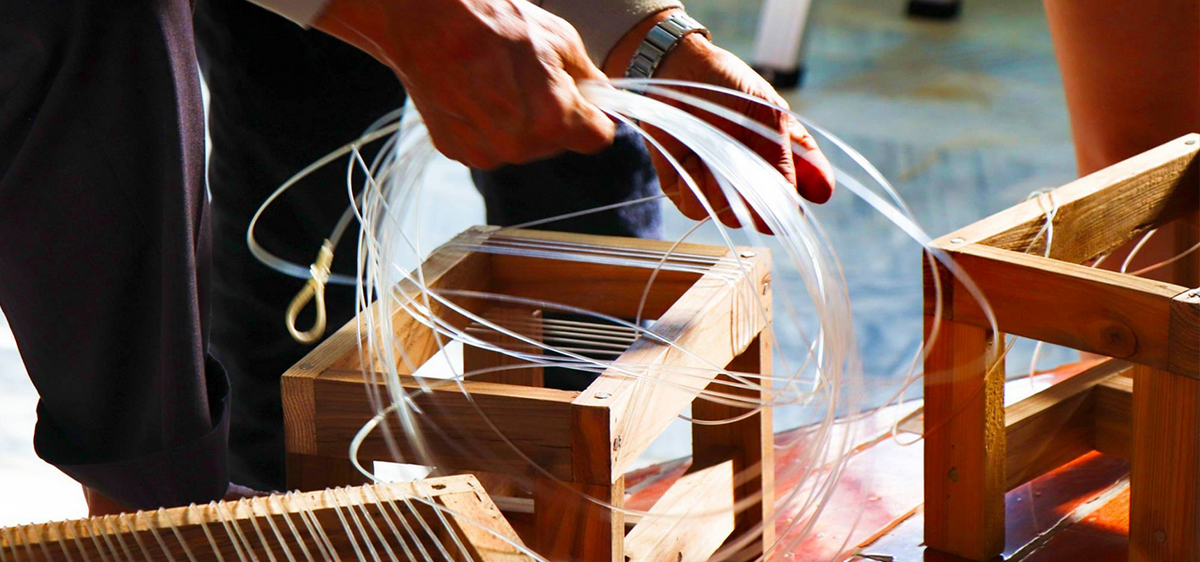
( Artisan Teaches How to Make a Fishing Line Chair)